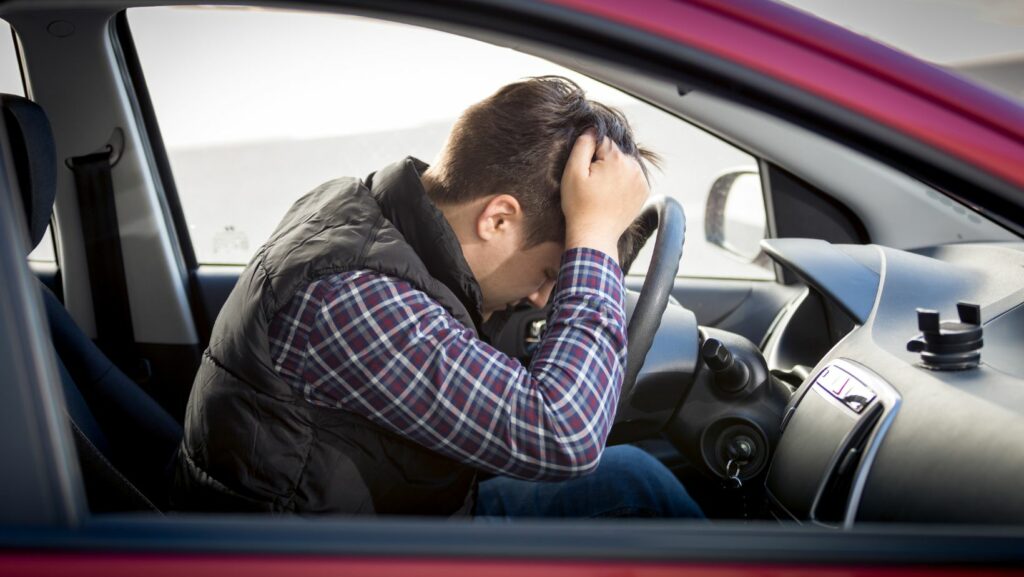
Your hands grip the wheel a little tighter. The world outside your windshield is a tunnel of black, broken only by the sharp glare of oncoming headlights. If you’ve ever felt your heart race while driving at night, you’re not alone. Night driving safety tips aren’t just for new drivers—they’re for anyone who’s ever blinked hard to stay awake, squinted at a rain-slick road, or wondered if that shadow up ahead is a deer or just a trick of the light.
Why Night Driving Feels So Different
Let’s be honest: driving after dark is a whole different animal. Your depth perception changes. Colors fade. Even familiar roads can feel strange. According to the National Safety Council, traffic death rates are three times higher at night than during the day. That’s not just a statistic—it’s a wake-up call. If you’ve ever missed a turn or felt your eyelids droop, you know how quickly things can go sideways.
Who Needs Night Driving Safety Tips?
If you’re a shift worker, a parent shuttling kids to late games, or someone who loves a midnight road trip, these night driving safety tips are for you. But if you’re already struggling with vision issues or fatigue, it’s time to rethink those late-night drives. Here’s the part nobody tells you: even the most experienced drivers can get caught off guard after dark.
See and Be Seen: Lighting Matters
Check Your Headlights
Dirty or misaligned headlights cut your visibility in half. Wipe them down every week. If your lights look yellow or dim, replace the bulbs. Don’t wait for a ticket or a close call.
Use High Beams—But Not on Everyone
High beams help on empty roads, but they can blind other drivers. Switch to low beams when you see headlights or tail lights ahead. If someone’s high beams hit you, look to the right edge of your lane to avoid glare.
Fatigue: The Silent Danger
Here’s a hard truth: drowsy driving can be as risky as drunk driving. If you catch yourself yawning, missing signs, or drifting in your lane, pull over. Even a 15-minute nap can make a difference. Don’t trust coffee alone—caffeine wears off fast, and you can’t outsmart biology.
Glare and Vision: Protect Your Eyes
Clean Your Windshield—Inside and Out
Smudges and streaks scatter light, making glare worse. Wipe your windshield with a microfiber cloth before every night drive. Don’t forget the inside—fingerprints and haze build up fast.
Wear the Right Glasses
If you wear glasses, ask your eye doctor about anti-reflective coatings. Skip the yellow “night driving” glasses unless your doctor recommends them. They can actually make things worse by reducing the light your eyes need.
Speed and Distance: Slow Down, Back Off
At night, your reaction time shrinks. You can only see as far as your headlights reach—usually about 160 feet with low beams. That’s less than two seconds at highway speeds. Slow down and leave extra space between you and the car ahead. If you tailgate, you’re gambling with your own safety.
Stay Alert for Wildlife and Pedestrians
Deer, raccoons, and even people walking dogs can appear out of nowhere. Scan the sides of the road, not just the center. If you see glowing eyes, slow down. Honk if you need to. Most animals freeze in headlights, so give them time to move.
Weather: Rain, Fog, and the Unexpected
Rain turns roads into mirrors. Fog swallows up your headlights. If you hit bad weather, slow down and use your low beams. High beams bounce off fog and make things worse. If you can’t see, pull over somewhere safe and wait it out. No destination is worth risking your life.
Distractions: Zero Tolerance After Dark
Phones, snacks, and fiddling with the radio can wait. At night, your margin for error disappears. If you need to check directions or change the music, pull over. One glance away from the road can change everything.
Real Stories: Lessons Learned the Hard Way
I once thought I could power through a late-night drive after a long shift. I rolled down the windows, blasted music, and told myself I was fine. Ten minutes later, I woke up to the rumble strip. That jolt scared me straight. If you’ve ever had a close call, you know the feeling. Don’t wait for a scare to take night driving safety tips seriously.
Actionable Night Driving Safety Tips
- Clean your headlights and windshield before every night drive
- Use high beams only when there’s no oncoming traffic
- Take breaks every two hours or whenever you feel tired
- Keep your eyes moving—scan for movement at the road’s edge
- Slow down and increase your following distance
- Never drive after drinking or taking sedating medications
- Keep your dashboard lights dim to reduce glare
- Plan your route to avoid poorly lit or unfamiliar roads
What Most People Get Wrong
Here’s the part nobody tells you: confidence can be your enemy. The more comfortable you feel, the easier it is to miss warning signs. Night driving safety tips aren’t just about rules—they’re about staying humble and alert. If you think you’re immune to mistakes, you’re already at risk.
Next Steps: Make Night Driving Safer Tonight
If you’re heading out after dark, take five minutes to prep your car and your mind. Clean your lights, check your route, and promise yourself you’ll pull over if you get tired. Share these night driving safety tips with someone you care about. The road is unpredictable, but you can stack the odds in your favor.
Every safe mile you drive at night is a small victory. Stay sharp, stay humble, and remember: the best night driving safety tips are the ones you actually use.