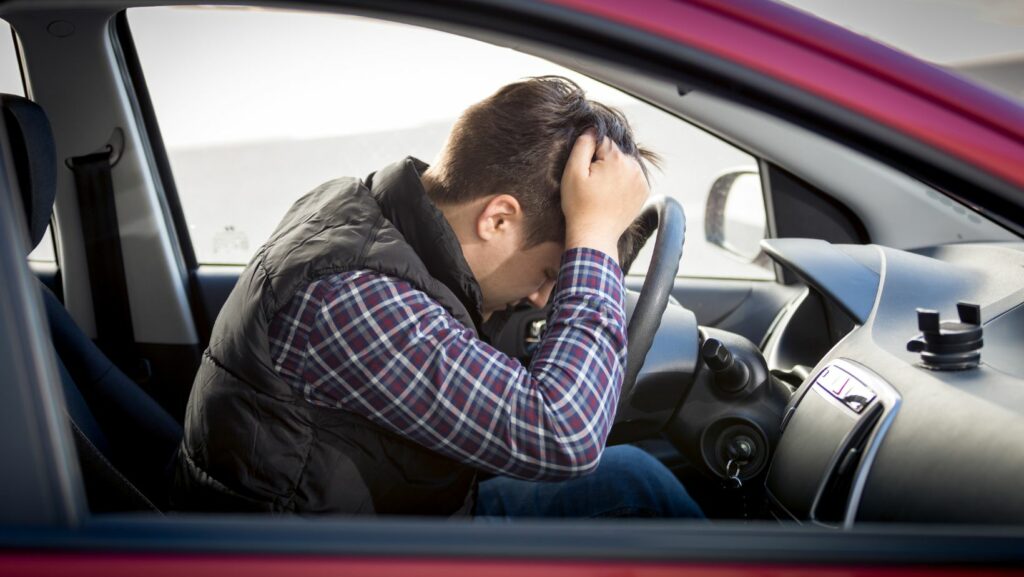
Picture this: your hands grip the steering wheel, your heart thumps in your chest, and the examiner sits beside you, silent but watchful. If you’ve ever felt your mind go blank during a driving test, you’re not alone. The good news? With the right driving test tips, you can turn that anxiety into confidence—and maybe even enjoy the ride.
Why Most People Fail Their Driving Test (And How You Can Avoid It)
Let’s get real. Most people don’t fail because they can’t drive. They fail because nerves take over, or they forget the basics under pressure. I remember my own test: I stalled at a stop sign, panicked, and forgot to check my mirrors. The examiner’s eyebrow shot up. I thought I’d blown it. But I remembered a tip my instructor drilled into me: breathe, reset, and focus on the next move. That saved me.
If you’ve ever left a test thinking, “I knew better,” you’re in the right place. These driving test tips aren’t just about passing—they’re about feeling in control, even when your brain wants to bail.
Who Should Use These Driving Test Tips?
If you’re about to take your first driving test, these tips are for you. If you’ve failed before and want to know what went wrong, you’ll find answers here. Even if you’re a nervous driver who dreads parallel parking, you’ll get strategies to calm your mind and sharpen your skills. If you’re looking for shortcuts or ways to “trick” the examiner, this isn’t for you. These tips are about real preparation, not hacks.
Before the Test: Set Yourself Up for Success
Practice Like It’s the Real Thing
Don’t just drive around your neighborhood. Practice the actual test route if you can. Ask your instructor or friends who’ve taken the test about tricky intersections or common mistakes. The more familiar you are with the area, the less likely you’ll get caught off guard.
- Drive at different times of day—rush hour, quiet mornings, rainy afternoons.
- Practice every maneuver: three-point turns, parallel parking, emergency stops.
- Simulate test conditions. Have someone act as the examiner and stay silent.
Here’s why: Familiarity breeds confidence. When you know what’s coming, you react instead of freeze.
Know the Rules—Really Know Them
It’s easy to overlook the basics. But forgetting a simple rule—like stopping fully at a stop sign—can cost you. Review your state’s driver handbook. Quiz yourself on right-of-way, speed limits, and road signs. If you’re unsure about a rule, look it up. Don’t guess.
Get Your Paperwork and Car Ready
Nothing rattles your nerves like realizing you forgot your permit or your car’s brake light is out. The night before, check:
- Your learner’s permit or required ID
- Proof of insurance and registration
- Car lights, signals, horn, and brakes
Arrive early. Give yourself time to breathe and settle in. Rushing leads to mistakes.
During the Test: Stay Calm, Stay Sharp
Start Strong: First Impressions Matter
When you get in the car, adjust your seat, mirrors, and seatbelt before starting the engine. The examiner notices these details. It shows you’re safety-minded and prepared.
Listen Carefully to Instructions
If you don’t understand a direction, ask the examiner to repeat it. They’re not trying to trick you. It’s better to clarify than to guess and make a wrong turn.
Use the “Mirror-Signal-Maneuver” Routine
This is the golden rule of driving test tips. Before you do anything—change lanes, turn, or stop—check your mirrors, signal your intention, then make your move. Examiners watch for this every time.
Don’t Rush—But Don’t Crawl
Driving too slowly can be as bad as speeding. Match the flow of traffic, but always obey speed limits. If you’re unsure, err on the side of caution, but don’t hold up other drivers unnecessarily.
Handle Mistakes Like a Pro
Here’s the part nobody tells you: Almost everyone makes a mistake during their test. The key is how you recover. If you miss a turn, don’t panic. Wait for a safe spot, signal, and turn around. The examiner cares more about your recovery than the mistake itself.
Common Mistakes (And How to Dodge Them)
- Rolling stops: Always come to a complete stop at stop signs.
- Forgetting blind spots: Check over your shoulder before changing lanes.
- Improper lane changes: Signal, check mirrors, then move smoothly.
- Speeding in school zones: Watch for signs and slow down.
- Poor parking: Practice parallel and reverse parking until it’s second nature.
If you’ve failed before, review your score sheet. Spot the patterns. Maybe you always forget to check mirrors, or you get flustered during parking. Focus your practice there.
Mindset Matters: Beat Test Anxiety
Visualize Success
Before your test, close your eyes and picture yourself driving calmly, making each move with confidence. Athletes use this trick for a reason—it works. Your brain can’t always tell the difference between real and imagined success.
Breathe and Reset
If you feel panic rising, take a slow breath. Grip the wheel, feel its texture, and focus on the next step. One move at a time. That’s how you build momentum.
After the Test: Learn and Level Up
Whether you pass or not, ask the examiner for feedback. If you failed, it stings—I’ve been there. But every mistake is a lesson. Write down what went wrong while it’s fresh. Then, practice those skills until they’re automatic.
If you passed, celebrate! But don’t stop learning. Real-world driving throws curveballs the test never covers. Keep building your skills, and remember: confidence comes from experience, not luck.
Final Thoughts: Your Road to Confidence
Driving tests feel like a big deal because they are. They mark a new chapter of freedom and responsibility. If you follow these driving test tips, you’ll walk in prepared, focused, and ready to show what you can do. Remember, everyone feels nervous. The difference is what you do with those nerves. Turn them into fuel, and you’ll ace your exam with confidence.