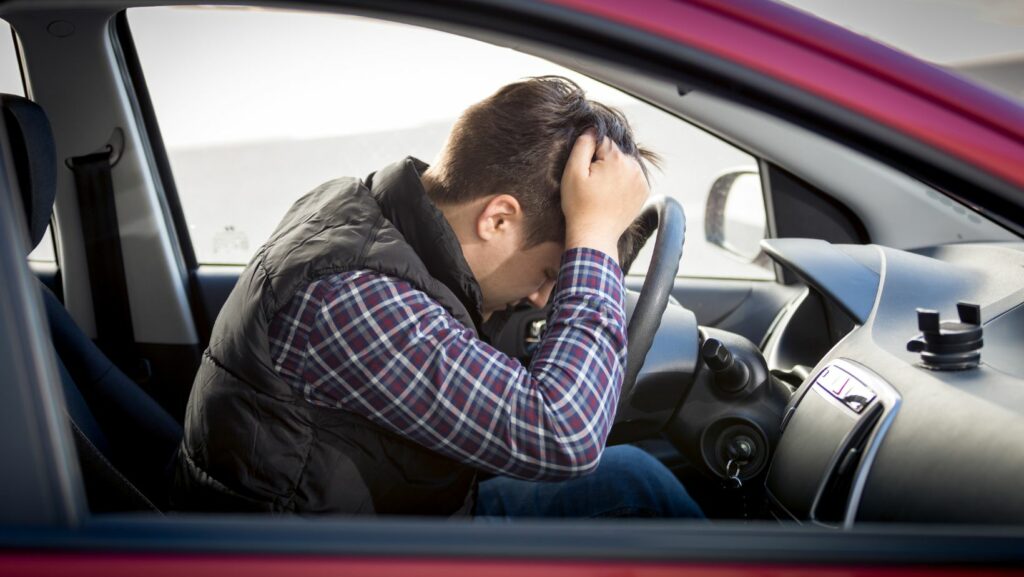
Your eyelids droop. The hum of the tires lulls you. You blink, just for a second—then jolt awake, heart pounding, hands gripping the wheel. If you’ve ever fought to stay awake while driving, you know it’s not just uncomfortable—it’s dangerous. Every year, drowsy driving causes thousands of crashes, and the scariest part? Most people don’t realize they’re too tired until it’s almost too late. If you’re searching for tips to stay awake while driving, you’re not alone—and you’re smart to take it seriously.
Why Staying Awake While Driving Matters
Let’s get real: falling asleep at the wheel isn’t just a plot twist in a movie. It happens to regular people, on regular roads, every single day. The National Highway Traffic Safety Administration estimates that drowsy driving causes at least 100,000 crashes a year in the U.S. alone. That’s not just a statistic—it’s a wake-up call. If you’ve ever caught yourself nodding off, you know how fast things can go wrong.
Here’s the part nobody tells you: even if you don’t actually fall asleep, being tired slows your reaction time, blurs your vision, and makes you miss things—like that stop sign or the car braking ahead. So, if you’re planning a long drive, or you’re just feeling wiped out, these tips to stay awake while driving could save your life.
Who Needs These Tips?
If you’re a long-haul trucker, a parent on a road trip, a college student driving home after finals, or anyone who’s ever thought, “I’ll just push through,” this is for you. If you’re already exhausted, or you’ve been up all night, these tips might not be enough. Sometimes, the only safe move is to pull over and rest. But if you’re just starting to feel tired, or you want to prevent drowsiness before it starts, keep reading.
Top Tips to Stay Awake While Driving
1. Get Real Sleep Before You Drive
Here’s the truth: no amount of coffee or loud music can replace actual sleep. Adults need 7-9 hours a night. If you’re running on less, your brain will try to shut down, no matter how determined you are. If you know you have a long drive coming up, plan for a full night’s rest. It’s the single best way to stay alert behind the wheel.
2. Take Breaks—More Than You Think
Most people wait until they’re desperate to stop. Don’t. Plan to pull over every two hours or 100 miles, even if you feel fine. Get out, stretch, walk around, splash cold water on your face. Your body needs movement to stay awake. Set a timer if you have to. Your future self will thank you.
3. Use Caffeine Wisely
Coffee, energy drinks, or tea can help, but they’re not magic. Caffeine takes about 20 minutes to kick in, and its effects last a few hours. Don’t chug a giant coffee and expect to be alert all night. Instead, sip smaller amounts over time. And remember, if you’re already exhausted, caffeine can’t fix it—it just masks the symptoms.
4. Snack Smart
Skip the heavy meals. Big portions of pasta or fast food can make you sleepy. Instead, go for light snacks: nuts, fruit, granola bars, or trail mix. Foods with protein and complex carbs give you steady energy. Chewing gum can also help keep your brain engaged.
5. Crank Up the Cold
Warm, cozy cars are basically sleep machines. Turn down the heat, crack a window, or blast the AC. Cold air wakes up your senses and keeps you alert. If you’re driving at night, the chill can be your secret weapon.
6. Listen to Engaging Audio
Music helps, but not just any music. Upbeat songs with a fast tempo work best. Or try a podcast or audiobook that grabs your attention. True crime, comedy, or anything that makes you think can keep your mind active. If you catch yourself zoning out, switch it up.
7. Travel With a Buddy
If you can, bring someone along. A good co-pilot can spot signs of drowsiness you might miss. Take turns driving, or just chat to stay engaged. If you’re solo, call a friend (hands-free, of course) and talk for a while. Human connection keeps your brain alert.
8. Watch for Warning Signs
Your body sends signals when it’s tired. If you start yawning, blinking a lot, missing exits, or drifting in your lane, it’s time to stop. Don’t ignore these signs. Pull over and rest, even if it’s just for a quick nap. A 20-minute power nap can make a huge difference.
9. Stay Hydrated
Dehydration makes you tired and foggy. Keep a water bottle handy and sip regularly. Avoid too much soda or energy drinks—they can dehydrate you. If you’re worried about bathroom breaks, remember: stopping to use the restroom is a great excuse to stretch your legs.
10. Keep Your Mind Active
Try mental games: count the number of red cars, recite song lyrics, or quiz yourself on state capitals. Anything that keeps your brain working helps you stay awake while driving. If you start to feel your mind wandering, it’s a sign you need a break.
What Doesn’t Work (And Why)
Let’s break it down. Some “tips to stay awake while driving” just don’t hold up. Rolling down the window, blasting the radio, or slapping your face might help for a minute, but they won’t keep you alert for long. The only real fix for sleepiness is sleep. If you’re fighting to keep your eyes open, don’t risk it. Find a safe place to stop and rest.
Personal Stories: Lessons Learned the Hard Way
I once tried to drive through the night after a full day of work, convinced I could power through with coffee and loud music. By 3 a.m., I was weaving between lanes, barely aware of the road. I pulled over at a rest stop, slept for 30 minutes, and woke up feeling like a new person. That nap probably saved my life. If you’ve ever made the same mistake, you know how scary it feels. Don’t wait for a close call to take drowsy driving seriously.
Next Steps: Make a Plan Before You Drive
- Get a full night’s sleep before your trip
- Plan your route with regular breaks
- Pack healthy snacks and water
- Charge your phone and download engaging audio
- Tell someone your travel plans
If you start to feel tired, don’t push through. Use these tips to stay awake while driving, but know when to stop. Your safety—and everyone else’s—matters more than any deadline.
Final Thoughts: Stay Awake, Stay Alive
Driving tired isn’t a test of willpower. It’s a real risk, and it can happen to anyone. The best tips to stay awake while driving are simple: sleep well, take breaks, stay engaged, and listen to your body. If you ever doubt whether you’re too tired to drive, you probably are. Pull over, rest, and get back on the road when you’re truly awake. Your life is worth the extra time.