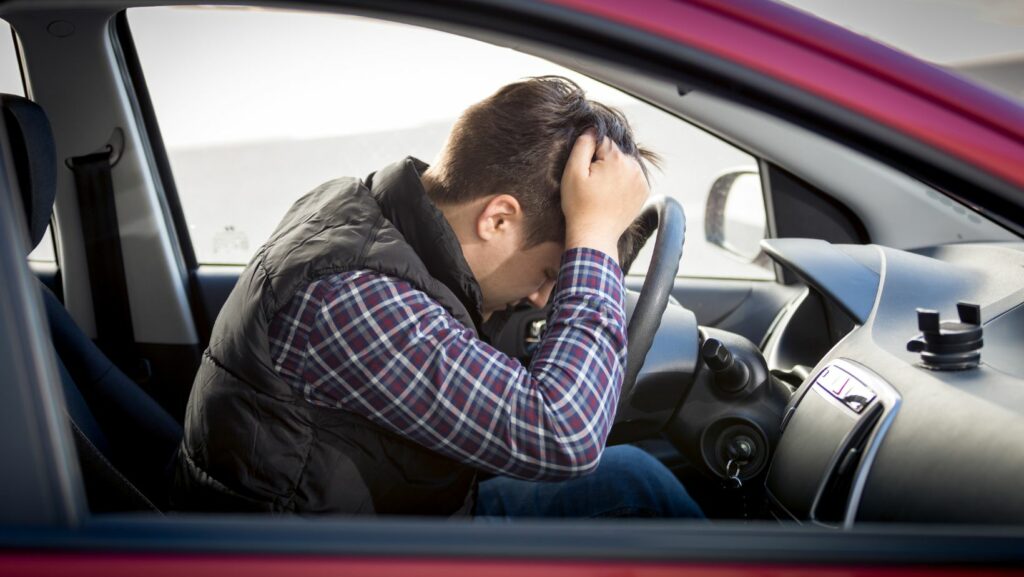
Staying safe on today’s roads takes more than knowing how to steer, brake, or follow basic traffic rules. Modern drivers deal with many challenges, such as new vehicle technology, unpredictable weather, heavy traffic, and an increase in distracted driving. While these risks can’t always be avoided, what truly keeps you safe is how calmly and correctly you react when something goes wrong.
It explores practical steps drivers can take during unexpected roadside situations, including how to respond responsibly after hit and run accidents in Michigan while protecting their safety and legal rights.
Emergencies can happen at any time, whether it’s a sudden mechanical problem, bad weather, a medical issue, or a collision. Knowing what to do in those moments not only protects you but also helps keep others on the road safe.
This guide gives you clear steps to handle different on-road emergencies with confidence, helping you stay prepared no matter what situation arises.
Essential Emergency Equipment Every Driver Needs
Before handling specific emergencies, you should make sure your vehicle is equipped with the right safety tools. A reliable emergency kit should include a first-aid kit, a flashlight with extra batteries, jumper cables, a basic tool set, and reflective warning triangles.
Keep bottled water, non-perishable snacks, a portable phone charger, and emergency blankets as well. In winter, add an ice scraper, small shovel, and sand or cat litter for traction.
Modern drivers can also benefit from built-in safety technology. According to SlashGear, most newer cars now include an SOS (e-Call) button located near the rearview mirror. This feature has been mandatory in the EU and UK since 2018 and is also available in many U.S. models.
To prevent accidental activation, these buttons usually require a long press or the removal of a small cover before the call is placed. Some automakers rely on a connected smartphone to send automatic crash notifications. Others, such as BMW, Genesis, and Porsche, offer built-in systems, sometimes available through subscription plans.
Smartphone crash-alert apps and GPS-enabled breakdown services further enhance preparedness.
Tire Blowouts and Mechanical Failures
Tire blowouts are among the most alarming on-road emergencies, often causing drivers to react suddenly and lose control. According to NHTSA, 646 people died in tire-related crashes in 2023, highlighting the importance of staying calm. Panicking, slamming the brakes, or lifting your foot abruptly from the accelerator can make the situation worse.
Instead, follow these steps:
- Hold the steering wheel firmly with both hands.
- Maintain your speed briefly if it feels safe.
- Gradually release the accelerator.
- Correct your steering gently to stabilize the vehicle and keep it moving in the direction you want.
- Once stable, slow down and pull over safely.
Mechanical issues such as engine overheating or brake failure require a similar approach. Stay calm, signal your intentions, and move away from traffic. Regularly responding to dashboard warnings can also prevent sudden breakdowns.
Critical Steps Following a Collision
When involved in a collision, following a clear, step-by-step approach helps protect your safety and legal rights. A car accident checklist can be especially helpful, guiding you through each important action at the scene.
According to Loewy Law Firm, details get lost quickly after a crash. You may be hurt, disoriented, or overwhelmed by what just happened. Using a systematic checklist helps you stay focused and ensures nothing is overlooked.
Start by checking yourself and passengers for injuries, and call emergency services immediately if anyone needs medical attention. If vehicles can be moved safely and are blocking traffic, pull them to the shoulder. Otherwise, turn on hazard lights and remain inside until it’s safe.
Exchange key details with other drivers and document the scene with photos of damage, road conditions, and surroundings. Collect witness contact details if available, but avoid admitting fault or giving detailed statements beyond basic facts. Finally, notify your insurance company promptly with all collected documentation, and track follow-up tasks like doctor visits and vehicle repairs.
Road Obstructions and Unexpected Hazards
Encountering sudden obstructions, such as debris, animals, or fallen branches, requires immediate but controlled responses. According to IIHS, 8,156 people died in fixed-object crashes in 2023. Drivers most often collided with utility poles, trees, and traffic barriers. Nearly half of these deaths occur at night and often involve alcohol, excessive speeds, or driver inattention.
Your instinct may be to swerve sharply, but this reaction can be dangerous, potentially causing rollovers or collisions with oncoming traffic. Instead, slow down by gently applying the brakes before making any evasive maneuvers. If avoiding the obstruction is impossible, hitting it at a reduced speed while maintaining control is safer than a dramatic swerve.
After navigating past a hazard, turn on your hazard lights to warn following vehicles. If the obstruction poses a serious risk, such as large debris, downed power lines, or injured animals, pull over safely and contact local authorities. Never attempt to clear major hazards yourself, as passing traffic creates serious danger.
Medical Emergencies Behind the Wheel
Medical emergencies while driving require quick and decisive action to prevent harm. If you suddenly feel unwell, such as experiencing chest pain, extreme dizziness, or vision problems, activate your hazard lights and safely pull out of traffic. Never attempt to “make it home,” as this endangers everyone.
Once stopped, call emergency services and provide clear details about your location and symptoms. If you are a passenger and the driver becomes incapacitated, remain calm and immediately assist them in pulling over safely. Use the steering wheel yourself only as an absolute last resort to prevent an imminent crash.
The extreme danger of these events was highlighted recently in Frisco, Texas, where a driver’s medical crisis occurred. The resulting crash involved hitting seven vehicles, including splitting a Tesla Cybertruck, and caused over $300,000 in damages.
For all drivers, keep emergency contact and vital medical information (like blood type and allergies) readily accessible. This invaluable data is essential, as it significantly assists first responders during critical situations.
Severe Weather Conditions
Extreme weather can turn routine drives into hazardous situations, requiring drivers to adjust their techniques. In the U.S., nearly 745,000 weather-related crashes occur each year, accounting for approximately 12 percent of all vehicle accidents. These crashes, which happen in conditions such as rain, snow, fog, or strong winds, result in over 3,800 deaths and 268,000 injuries annually.
During heavy rain that may cause hydroplaning, ease off the accelerator and avoid sudden steering movements to let your tires regain traction. In fog, use low-beam headlights and increase your following distance, as high beams can reflect off moisture and reduce visibility.
Winter driving requires extra caution. Accelerate and brake gently to prevent skidding. If your vehicle slides, steer in the direction you want to go while avoiding brake pumping unless your car has anti-lock brakes. In severe storms, seek safe shelter rather than continuing your journey. Pull completely off the road into a parking lot or rest area.
Frequently Asked Questions
What’s the first thing I should do after any type of road emergency?
Prioritize safety above all else. Activate hazard lights, move to a safe location away from traffic if possible, and assess for injuries. Call emergency services if needed. Only then should you address documentation, vehicle issues, or contacting insurance. Your immediate physical safety and that of others always come first.
Should I keep emergency supplies in my car year-round?
Absolutely. While seasonal items like ice scrapers are specific to winter, core emergency supplies should remain in your vehicle year-round. These include first-aid kits, flashlights, jumper cables, water, and warning triangles. Check and refresh supplies every six months to ensure everything functions properly when needed. Expired medications or dead batteries render emergency kits useless.
Is it necessary to call the police for minor fender-benders?
Yes, filing a police report is advisable even for minor accidents. Some injuries manifest hours later, and hidden vehicle damage may exist. Police reports provide official documentation protecting your insurance claim and legal interests. Many states legally require police notification for accidents exceeding specific damage thresholds or involving injuries, regardless of severity.
Being prepared for on-road emergencies is key to staying safe and protecting others. Having the right tools in your vehicle and staying composed during emergencies can greatly improve your safety. Remember, caution, awareness, and a well-practiced plan turn unexpected situations into manageable challenges.