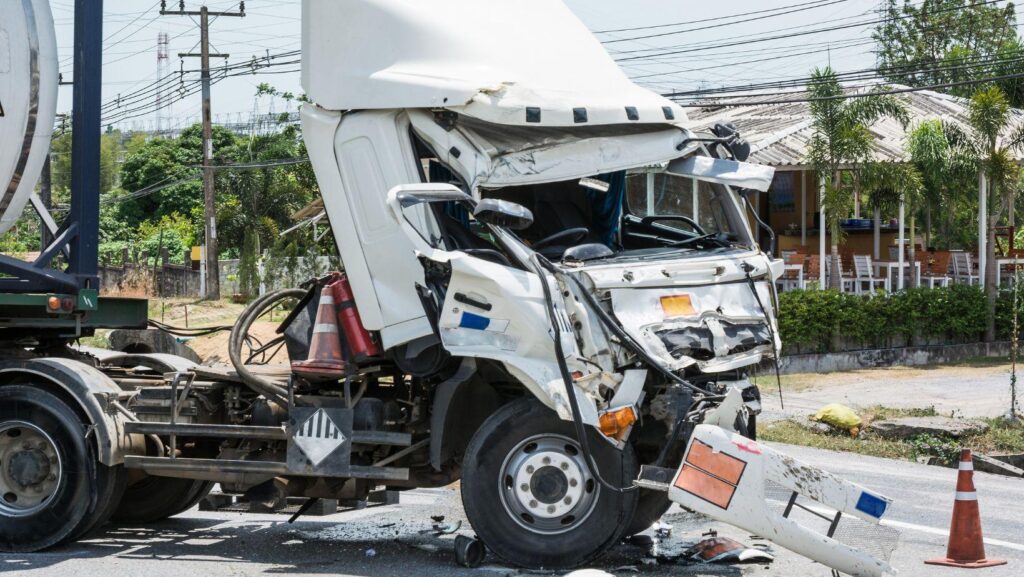
Truck collisions can involve more than the actions of the person behind the wheel. A commercial carrier, maintenance provider, loading company, manufacturer, or another party may potentially have a role depending on the circumstances. Tampa’s role as a major transportation and commercial center means large trucks regularly share its roadways with passenger vehicles. That makes the investigation of a serious truck crash more involved than simply determining which vehicle struck another. Florida recorded 46,651 commercial motor vehicle crashes in 2024, resulting in 315 fatalities, according to preliminary figures from the Florida Department of Highway Safety and Motor Vehicles.
For an injured person in Tampa, identifying every potentially responsible party may require examining records that extend well beyond the crash scene. A Tampa truck accident lawyer can investigate driver conduct, company policies, vehicle maintenance, cargo loading, employment records, and other evidence that may help establish liability. Preserving these sources of information can be particularly important because different parties may control different pieces of the evidence. A thorough investigation can help build a more complete picture of why the collision occurred and where responsibility may ultimately lie.
Preserve Evidence Early
After emergency treatment, an injured person should avoid giving detailed statements to insurers before finding out what evidence exists. A truck accident liability investigation can help identify crash records, identify involved companies, and assess whether several policies may apply. Early action matters because vehicle data, driver logs, cargo records, and surveillance footage can disappear or become harder to obtain as days pass.
Start With Scene Evidence
Investigators begin with photographs, roadway measurements, vehicle damage, debris patterns, and witness accounts. These details can show the direction of impact, braking distance, visibility conditions, and vehicle positions. Skid marks may support a speed analysis, while damage beneath a trailer can indicate an underride collision. Nearby businesses, traffic cameras, and dashboard recordings may provide independent evidence that confirms or challenges the initial police report.
Examine Driver Conduct
A driver’s actions before the crash can reveal speeding, distraction, impairment, fatigue, or unsafe lane changes. Lawyers may review phone records, dispatch communications, time sheets, fuel receipts, and electronic driving logs. These materials can show whether the driver exceeded permitted hours or rushed to meet a delivery deadline. Statements from witnesses and testimony from accident reconstruction professionals may help connect that conduct to the collision.
Trace Employer Responsibility
The trucking company may face liability if it hired an unqualified driver, failed to train personnel, or pressured workers to violate safety rules. Employment files can reveal license history, prior crashes, drug and alcohol testing, disciplinary records, and training gaps. A company may also be responsible for a driver’s actions during the assigned work. Investigators review contracts, payroll records, route assignments, and delivery schedules to establish that relationship.
Review Hiring and Supervision
A carrier’s safety history may show repeated violations or ignored complaints. Lawyers can compare company policies with actual practices, including inspection procedures and supervision. Internal messages may reveal whether managers knew about unsafe conduct but failed to respond. This evidence can support claims against the business, rather than placing all responsibility on the individual behind the wheel.
Inspect Maintenance and Cargo
Mechanical failures often require a separate investigation. Brake components, tires, steering systems, lights, and coupling devices should be examined before repairs or disposal take place. Maintenance invoices, inspection reports, and service schedules can show whether required work was skipped. Cargo records matter as well. Improper weight distribution, unsecured materials, or overloaded trailers can affect stability, stopping distance, and rollover risk.
Assess Equipment and Roadway Fault
A defective tire, brake, hitch, or other component may shift responsibility to a manufacturer, distributor, repair facility, or owner. Engineers can inspect failed parts and compare them with applicable safety standards. Road design may also contribute to a wreck through poor lighting, missing signs, damaged pavement, or inadequate drainage. Public maintenance records and prior incident reports can help determine whether a roadway condition played a meaningful role.
Identify Available Insurance
Multiple liable parties may carry separate coverage, including a motor carrier, trailer owner, leasing company, maintenance contractor, cargo company, or manufacturer. Lawyers examine policy declarations, commercial agreements, and indemnity provisions to determine which insurers may provide coverage. This review can prevent an injured person from accepting a limited settlement before the full group of responsible parties and available coverage becomes clear.
Connect Fault to Damages
Proving liability is only part of the case. Medical records, treatment plans, wage information, tax documents, and testimony from rehabilitation professionals help measure the financial effect of the crash. Serious injuries may require future care, home changes, transportation support, or assistance with daily activities. A complete damages review accounts for both current expenses and losses that may continue for years.
Conclusion
Truck accident investigations require more than reviewing a police report or obtaining one insurance statement. Lawyers compare physical evidence, electronic records, employment documents, maintenance files, cargo information, and roadway conditions. That process can reveal several contributing failures and identify each party that may owe compensation. Prompt legal action also helps preserve evidence before it changes or disappears. For injured people and families, a complete investigation can provide a stronger basis for pursuing medical costs, lost income, and other damages.