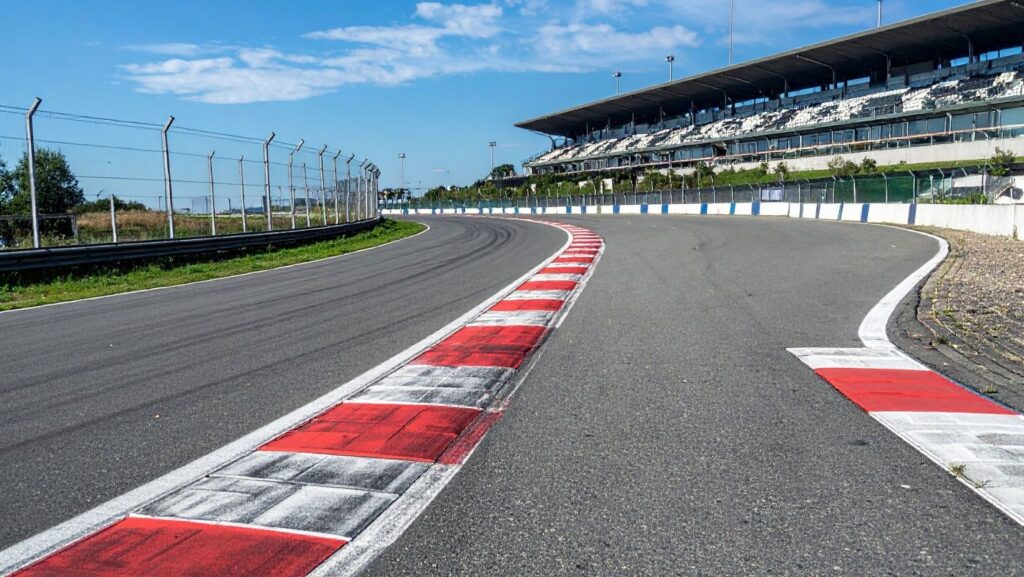
Lap times can change for many reasons. Drivers may push harder. Teams may adjust the setup. Wind can shift. Fuel load can drop. Yet one factor often changes the feel of a car more than people expect, even when nothing on the car has been touched. That factor is track temperature.
The Track Is Not Just A Piece Of Road
People often think the track never changes. The corners and straights stay the same. But the road changes, and so does how the tires grip it, which changes the whole formula 1 bet experience.
A hot track can feel slippery. A cool track can feel sharper. Drivers feel this quickly. The racing line may look the same, but the car can feel very different.
A Cooler Track Can Wake A Car Up
Sometimes a driver goes out in the morning, and the car feels alive right away. Steering feels crisp. The front bites. Braking seems more direct. There is a reason for that. A cooler surface helps tires work better, especially if they were getting too hot before.
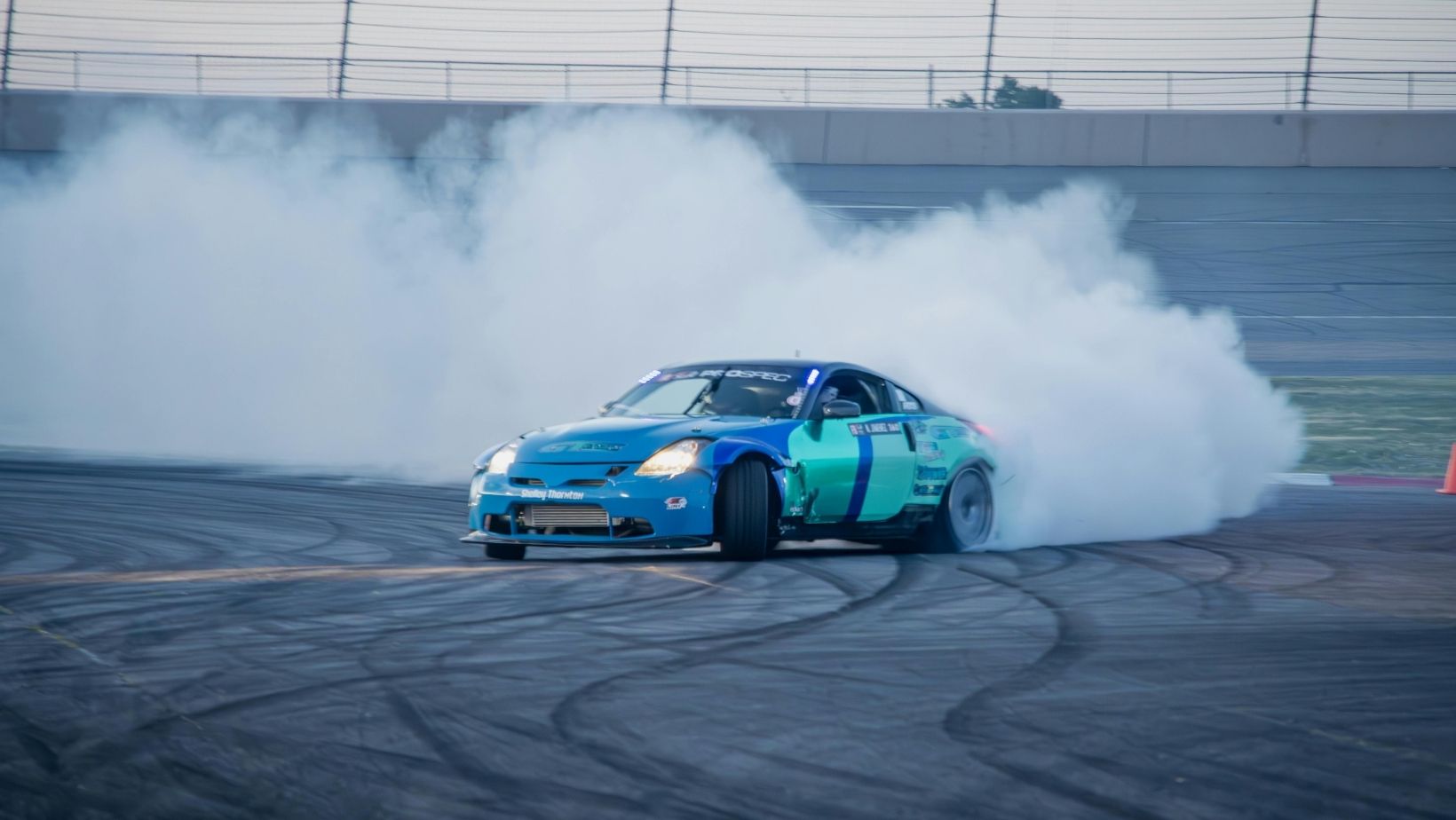
This does not mean cold is always better. If the track is too cool, grip can also be poor, especially early in the session. Still, many drivers enjoy conditions where the surface is cool enough to support the tire without cooking it. In those moments, the lap can come together more easily.
Heat Can Hurt In Quiet Ways
The tricky thing about a hot track is that the damage to lap time is not always dramatic in one spot. The driver may only lose a little under braking, a little at turn-in, and a little on exit. None of those losses looks huge on its own. Together, they add up.
A tenth here. Another tenth there. Soon, the lap is half a second slower, and the setup has not changed at all. That is why teams pay such close attention to surface conditions. They know the stopwatch reacts to details that are easy to miss from the outside.
The Same Setup Can Feel Wrong In New Conditions
A balanced setup in one session may feel awkward in another. The springs, ride height, wing, and diff settings may all stay untouched, yet the driver might say the car feels worse. That does not always mean the team made a mistake earlier. It often means the track has moved away from the window where that setup worked best.
This is one of the hardest parts of racing. The setup is not judged in a vacuum. It is judged in changing conditions. A car that feels sharp on a cool track may feel nervous on a hot one. A car that felt stable in the morning may feel lazy later in the day. The machine is the same. The surface is not.
Rubber Build-Up Changes The Picture Too
Temperature is not working alone. As the day goes on, the track can also gain rubber. That usually adds grip. So sometimes two things happen at once. The hotter surface can reduce tire performance, while the extra rubber on the racing line can improve grip in certain places.
That is why drivers and engineers are always reading the session, not just looking at one number. A track can become faster in one phase of the day and slower in another. The surface tells a more complex story than “hot is bad” or “cold is good.”