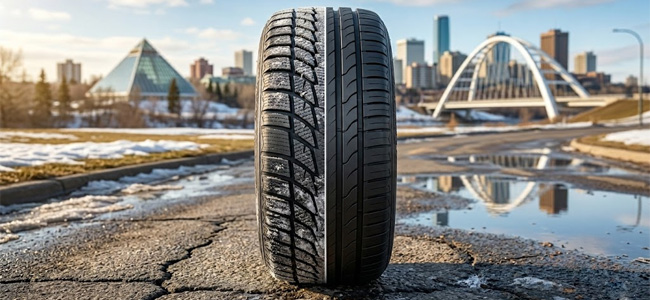
When you reside in a geographic region marked by four distinct and unpredictable meteorological seasons, choosing the right footwear for your vehicle is one of the most critical safety decisions you can possibly make. Fluctuating ambient temperatures, torrential spring downpours, scorching summer heatwaves, and early autumn frosts mean your car requires rubber capable of adapting to a constantly shifting environment without failing. All-season tires remain the single largest-selling category on the global automotive market because they offer a carefully engineered compromise designed to handle varied weather conditions without demanding mandatory semi-annual service appointments or constant adjustments.
Whether you are purchasing a brand-new set of wheels for a newly acquired vehicle, replacing worn-out treads on your daily commuter, or managing a light commercial fleet, understanding how all-season tires function, where their engineering excels, and where their physical limitations lie will help you make an informed financial and safety investment. This exhaustive, deep-dive guide explores the internal anatomy of all-season tires, compares them against alternative seasonal categories, breaks down retail pricing dynamics, and details the rigorous maintenance routines required to maximize your safety on the open road.
Understanding All-Season Tires: Engineering, Chemistry, and Design Philosophy
All-season tires are engineered from the ground up to be the ultimate generalists of the automotive world. By utilizing a balanced, harder-grade rubber compound combined with optimized tread designs, tire manufacturers have created a versatile product capable of withstanding a broad spectrum of ambient temperatures and varying road surfaces without wearing down prematurely under daily driving stress.
Unlike summer tires that prioritize soft, ultra-sticky rubber compounds for maximum dry-pavement grip, or winter tires that rely on pliant, high-silica mixtures to stay flexible in sub-zero weather, all-season models occupy the middle ground of the tire industry. Their tread depths are moderate—deeper than summer performance variants to help channel away standing water and resist hydroplaning during heavy rainstorms, but shallower than dedicated winter blocks to prevent excessive squirm and dangerous heat buildup on hot, dry highways. An intricate network of sipes (small slits carved directly into the rubber tread blocks) provides the biting edges needed for light winter traction while simultaneously dampening road harmonics to keep cabin noise remarkably low during high-speed highway cruising.
Core Advantages of All-Season Rubber
Inherent Physical Limitations
Despite their immense popularity and widespread utility, all-season tires cannot defy the fundamental laws of physics. They are master compromisers, meaning they excel at doing many things adequately rather than doing any single thing perfectly. They will not grip dry asphalt as aggressively as summer performance tires, nor will they provide safe stopping power on hard-packed snow and sheets of black ice.
Their tread grooves can easily pack with slushy mixtures of snow and water, preventing the tire from effectively clearing debris from the contact patch. Furthermore, standard all-season rubber compounds begin to stiffen significantly once ambient temperatures drop consistently below 7 degrees Celsius (45 degrees Fahrenheit). Once frozen, the rubber loses its elasticity and its microscopic ability to conform to micro-textures in the road, drastically lengthening braking distances and reducing cornering stability.
Comprehensive Comparison: All-Seasons vs. Alternative Tire Categories
To truly appreciate where all-season tires fit into your purchasing strategy, it is helpful to evaluate how their design philosophy compares to specialized alternatives on the market today. Selecting the correct tire requires understanding these distinct mechanical differences.
All-Weather Tires
All-weather tires are frequently confused with standard all-seasons, but they represent a distinct category designed specifically for drivers who experience genuine winter weather conditions but want to avoid a strict semi-annual seasonal swap. They share structural similarities with all-season models but incorporate a slightly softer rubber mixture and more aggressive siping. Crucially, all-weather tires carry the 3-Peak Mountain Snowflake (3PMSF) symbol, signifying that they meet official regulatory standards for severe winter traction. While they handle light-to-moderate snow much better than standard all-seasons, they still compromise slightly on dry-road handling precision and tend to wear down faster during hot summer months.
Summer Tires
Summer tires are engineered strictly for warm-weather performance. They feature wide, smooth circumferential channels designed to evacuate massive volumes of water at high speeds, alongside large, solid tread blocks that maximize the physical footprint touching the road surface.
Winter Tires
Winter tires are purpose-built survival tools for regions plagued by heavy snowfalls, freezing rain, and sub-zero blizzards. They utilize high-silica, ultra-soft rubber formulations that remain supple and elastic even in extreme cold. Their deep, aggressive tread patterns and high-density siping act like thousands of tiny claws, biting into snow and expelling compacted slush to maintain directional control.
Detailed Factors That Influence All-Season Tire Pricing
When shopping for a new set of all-season tires, vehicle owners often notice a massive variance in price points between different brands, tiers, and models. Understanding what drives these costs helps you balance your upfront budget with long-term safety and performance needs.
Best Practices for Maintaining All-Season Tires
Investing in a quality set of all-season tires is only half the battle. Without diligent, proactive maintenance, even the highest-end rubber will degrade prematurely, unevenly, or dangerously, costing you money and compromising road safety.
Environmental and Storage Considerations for Seasonal Longevity
Proper storage techniques during off-seasons significantly impact the lifespan of your automotive components. When your all-season tires are dismounted or kept as a spare set, environmental factors such as ultraviolet light, extreme heat, ozone, and chemical exposure can degrade the rubber compounds long before the tread actually wears down from road friction.