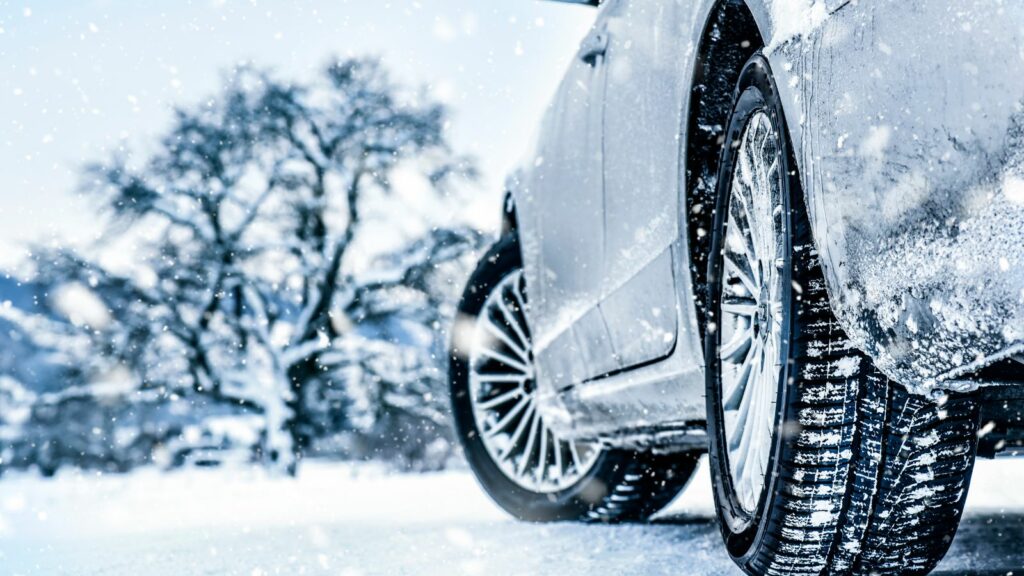
Most of us don’t think twice about our tires until we hit a pothole or see a warning light on the dashboard. But those four patches of rubber are the only things connecting your car to the pavement. When tires are worn out, underinflated, or damaged, that connection gets shaky, and suddenly, a routine drive becomes a lot more dangerous.
Unsafe tires are one of the most overlooked causes of road accidents. Whether it’s losing grip on a rainy highway or a sudden blowout at high speeds, the risks are real and often preventable. Many people try to save money by putting off buying new tires or buying substandard ones. However, saving a few dollars today isn’t worth gambling with your safety on the road.
In this guide, we’ll break down exactly how neglected or substandard tires compromise your safety.
Substandard Tire Quality and Manufacturing Defects
Not all tire failures come from neglect. Sometimes, the danger is built in. Substandard materials or manufacturing flaws can cause catastrophic failures like tread separation, even on newer tires. Budget brands often cut corners on quality control, creating weaknesses that are invisible until they fail at highway speeds.
When product defects lead to a car accident, the legal path becomes complex. Establishing liability is crucial, as victims may have claims against manufacturers or retailers for distributing unsafe goods.
According to Wells Law, evidence is what keeps your case grounded in the facts, showing exactly how the crash happened and the way your injuries progressed. To hold a party accountable, you must provide clear evidence that proves their negligence or fault. Clear proof, including tire remnants and expert analysis, limits the room insurance companies have to dispute fault or downplay your losses.
Worn Tread and Reduced Traction
Tire tread is your car’s only defense against slippery roads. As the tread wears down, the channels that push water away become too shallow to work. This causes hydroplaning, where your car floats on a thin layer of water, leaving you with zero control over steering or braking.
Understanding your tire’s lifespan helps you avoid these risks. According to MDPI, the United States uses the Uniform Tire Quality Grading (UTQG) on sidewalls to indicate expected service life.
Research shows that front tires typically lose 1–1.2 mm of tread every 10,000 km, while rear tires lose about half that. Waiting until tires are bald can add up to 100 feet to your stopping distance at 60 mph. Monitoring these wear rates ensures you aren’t gambling with your safety as your tires age.
Improper Tire Pressure and Handling Problems
Improper tire pressure is a silent safety hazard. Underinflated tires flex too much, building up heat that can lead to a sudden blowout. On the other hand, overinflated tires reduce the “contact patch” where the rubber hits the road, making your car bounce and lose traction. Both extremes make your vehicle sluggish and unpredictable during emergencies.
Many drivers consider using nitrogen to maintain steady pressure. According to Consumer Reports, nitrogen does reduce air loss, but the advantage is smaller than you might think. In a year-long study, nitrogen-filled tires lost 2.2 psi, while air-filled tires lost 3.5 psi, which is a difference of only 1.3 psi.
The takeaway is clear: while nitrogen helps, it isn’t a “set it and forget it” solution. Because temperature changes and time affect all tires, you must check your pressure monthly to ensure your car handles safely and stays on the road.
Uneven Wear Patterns and Alignment Issues
Uneven tire wear is a roadmap to hidden mechanical dangers. When your tires wear on the inside or outside edges, it signals that your alignment or suspension is failing. These patterns, like cupping or “saw blade” feathering, cause vibrations and reduce your grip on the road, making every turn a gamble.
Learning to “read” your tires can save your life and your wallet. Inner edge wear often points to weak springs or alignment issues. Meanwhile, outer edge wear suggests your suspension can’t keep the vehicle flat during corners, which is a common risk for SUVs.
Wear on both edges usually screams underinflation or worn shocks. By treating alignment as tire protection rather than just a steering fix, you ensure your car remains stable. Always inspect your old tires before buying new ones, as they tell the true story of your vehicle’s safety.
Age-Related Tire Deterioration
Tire aging is a hidden danger that persists even if your tread looks brand new. Over time, rubber compounds break down due to heat and environmental exposure, becoming brittle and unreliable. While many drivers keep tires for a decade because they don’t drive much, experts recommend replacement every six years to avoid catastrophic failure.
According to ScienceDirect, the risks of age-related degradation include:
- Increased failure risks: A decrease in “elongation-at-break” makes tires prone to surface cracking, tread separation, and sudden blowouts.
- Reduced traction: As rubber hardens with age, it loses its ability to grip wet or icy roads, increasing skidding risks.
- Longer stopping distances: Hardened rubber cannot bite into the pavement effectively, which is critical during emergency braking.
- Handling issues: Aged rubber becomes brittle and cannot absorb energy, compromising road contact and stability during sudden steering maneuvers.
Seasonal Considerations and Weather-Appropriate Tires
Choosing the right tire for the season is a critical safety decision. While “all-season” tires sound versatile, they are essentially “three-season” tires that lose grip in freezing conditions. Summer tires are even riskier in the cold, becoming dangerously hard and slippery below 45°F. For true year-round safety in variable climates, “all-weather” tires are the better choice.
All-weather tires bridge the gap by using flexible rubber compounds that stay pliable when temperatures drop. They are marked with the Three-Peak Mountain Snowflake (3PMSF) symbol, meaning they’ve passed rigorous winter traction tests.
While dedicated winter tires remain the gold standard for heavy ice, all-weather tires provide a massive advantage over standard all-seasons in snow and slush. Prioritizing the right rubber for your local weather ensures your car remains responsive when the forecast changes unexpectedly, keeping you firmly on the road.
Frequently Asked Questions
How often should drivers check tire pressure and tread depth?
Tire pressure should be checked monthly and before long trips, as pressure naturally decreases over time and fluctuates with temperature changes. Tread depth should be inspected at least quarterly using the penny test or tread depth gauge. Many service centers check these during oil changes, providing convenient monitoring opportunities.
What should drivers do immediately after experiencing a tire blowout?
Remain calm and grip the steering wheel firmly. Avoid sudden braking or steering corrections. Slowly lift your foot off the gas pedal to let the car decelerate on its own. Once speed decreases substantially, gently steer toward the roadside and apply brakes carefully. Activate hazard lights and exit the vehicle safely away from traffic.
Can drivers be held liable for accidents caused by unsafe tires?
Yes. Drivers have legal responsibilities to maintain vehicles in a safe operating condition, including proper tire maintenance. If negligent tire maintenance causes accidents injuring others, drivers may face civil liability for damages and potentially criminal charges for reckless operation. Insurance may not cover damages resulting from gross negligence.
Safety on the road is fundamentally tied to the condition of your tires. Whether it is monitoring tread depth, maintaining proper pressure, or choosing the right rubber for the season, these small details prevent catastrophic accidents. Proactive maintenance is always cheaper and safer than waiting for a blowout or a collision to force your hand.
By investing in quality tires and staying vigilant about wear patterns and age, you protect yourself and everyone else on the road. Don’t let your tires be an afterthought. They are the most critical safety feature your vehicle has.