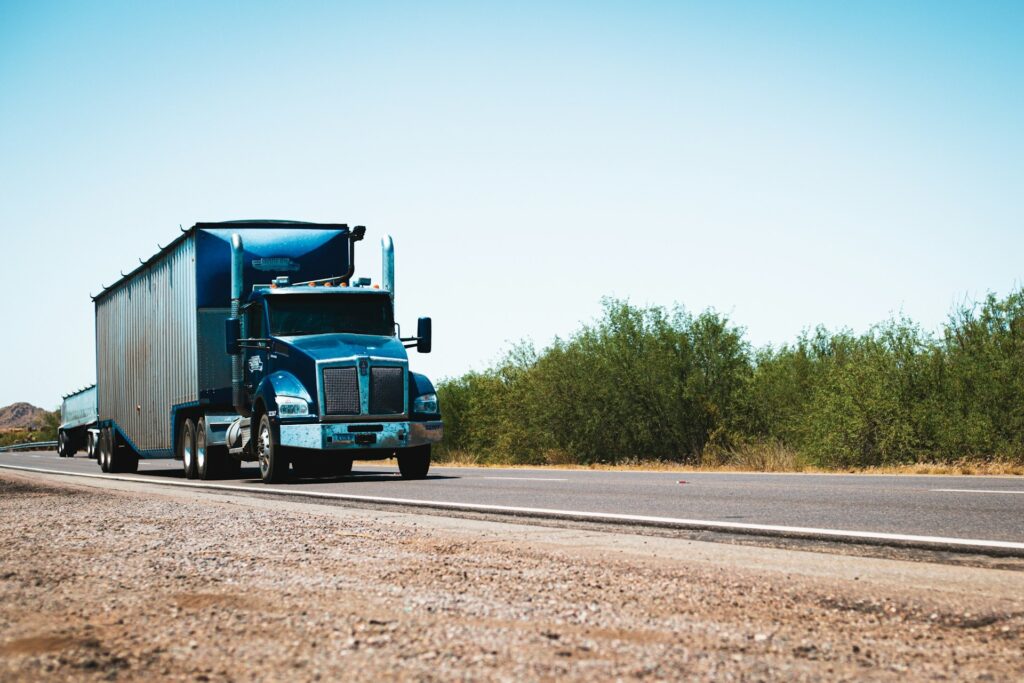
Selecting the correct semi-trailer directly improves transport efficiency, reduces operating costs, and supports long-term fleet reliability. This guide explains how to match trailer types to cargo, evaluate technical requirements, and make informed purchasing decisions based on real logistics scenarios.
Definition and Purpose of Semi-Trailers
A semi-trailer carries part of its weight on a tractor unit, enabling efficient long-distance freight transport. This design improves load distribution, increases payload capacity compared to rigid trucks, and maintains stability across motorway and regional routes.
In European logistics, semi-trailers are fundamental. They connect production sites, distribution centres, and end customers with consistent efficiency. Their modular structure allows operators to switch trailers depending on cargo type, reducing downtime and improving fleet utilisation.
Their value lies in adaptability. Dry vans handle general freight, while specialised units—such as refrigerated trailers—support temperature-sensitive goods. Flexible loading options (rear, side, or top) further enhance operational efficiency.
Types of Semi-Trailers
Selecting the correct type is essential to avoid inefficiencies and unnecessary costs:
- Dry van trailers
Suitable for palletised and general cargo. Fully enclosed for protection against weather and theft. - Refrigerated (reefer) trailers
Designed for temperature-controlled transport, particularly food and pharmaceuticals. - Flatbed trailers
Used for oversized or heavy loads such as machinery and construction materials. Allow multi-angle loading. - Curtainsider trailers
Combine side access with cargo protection, making them ideal for mixed freight and frequent loading.
Fleet operators typically maintain a mix of these types to handle varied contracts.
Assessing Transport Needs
Effective selection begins with a clear analysis of requirements:
- Cargo profile: palletised, bulk, oversized, or temperature-sensitive
- Loading method: forklift, crane, or side access
- Transport frequency: regular or seasonal
Technical factors include payload capacity, volume requirements, and compatibility with tractor units.
Operating conditions also influence the choice. Long-haul routes favour aerodynamic efficiency, while urban deliveries require manoeuvrability. Harsh climates demand durable construction and corrosion resistance.
Choosing the Right Semi-Trailer
The right trailer improves efficiency, reduces empty runs, and stabilises operating costs.
- Weight capacity should match typical loads to maximise revenue
- Manoeuvrability depends on axle configuration:
- Tri-axle: higher payload, less flexible in tight spaces
- Shorter units: better for urban routes
- Lift axles: reduce tyre wear and fuel use when empty
Durability is critical. Reinforced chassis, reliable braking systems, and compliance with European standards help reduce long-term costs.
New vs. Used Trailers
The decision between new and used trailers depends on budget and operational priorities.
- New trailers offer warranty coverage, modern technology, and customisation—but require higher investment and longer delivery times.
- Used trailers provide lower upfront cost, immediate availability, and proven reliability when sourced from well-maintained fleets.
For many operators, used trailers offer the best balance between cost and performance.
For example, listings such as used semi-trailers for sale show a wide range of options—from low loaders to refrigerated and curtainsider units—allowing companies to quickly match equipment to operational needs.
Key Decision Factors
Several elements influence the final choice:
- Cargo characteristics: Heavy goods require reinforced structures; sensitive goods need controlled environments
- Route profile: Long-haul increases wear on braking systems; regional transport requires flexible loading
- Road conditions: Poor or winter roads demand stronger chassis and components
Financial considerations complete the picture. Total cost of ownership includes purchase price, maintenance, fuel impact, and resale value. A well-matched trailer reduces unexpected costs and improves predictability.
Maintenance Tips
Consistent maintenance ensures safety, reduces downtime, and extends service life:
- Regular inspections: brakes, suspension, lighting, structure
- Tyre management: correct pressure and wear monitoring
- Lubrication: prevents corrosion and ensures smooth operation
- Scheduled servicing: carried out according to manufacturer guidelines
Addressing minor issues early prevents costly failures and keeps trailers operational longer, improving overall return on investment.