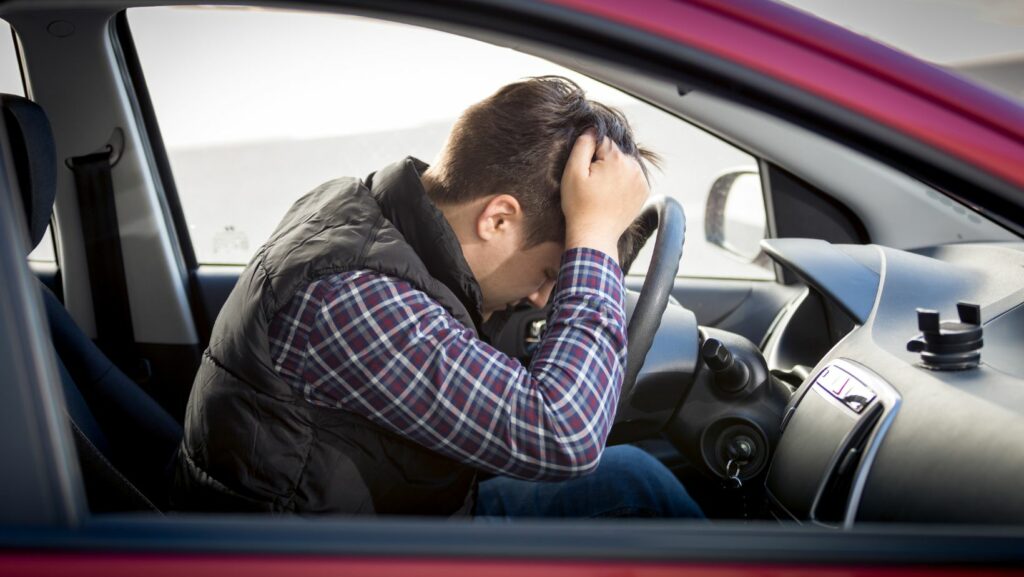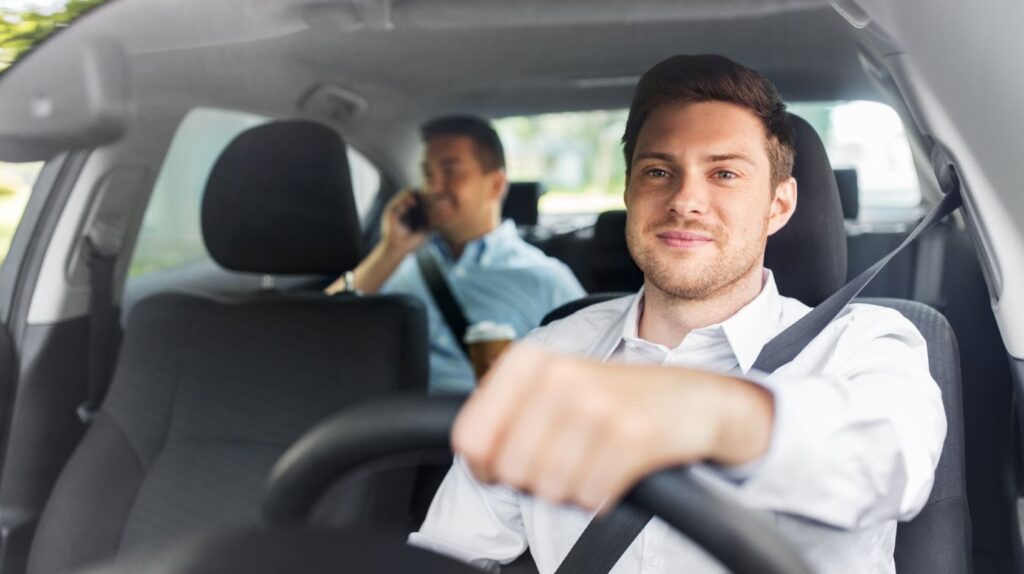
We live in an era where cars are essentially supercomputers on wheels, packed with technology engineered to keep us out of trouble. From cameras that can spot hazards in pitch darkness to brakes that slam on automatically, today’s vehicles feel incredibly safe. Yet, despite these massive leaps forward, traffic fatalities remain stubbornly high.
The truth is that safety technology is merely an assistant, not a replacement for a focused human being. The physical, emotional, and financial toll of a wreck can completely upend your life, making it essential to find experienced legal help after a serious car accident. Ultimately, your car’s brain still needs your brain to stay out of the ditch.
The Illusion of the Autopilot Bubble
Advanced Driver Assistance Systems (ADAS) are great at reducing human error, but they often trick drivers into turning their brains off entirely. When a vehicle smoothly handles the steering, braking, and distance tracking on a long highway stretch, a driver’s mind naturally begins to drift.
Data from the Insurance Institute for Highway Safety (IIHS) confirms this reality: people using partial automation are far more likely to fiddle with their phones, eat, or look away from the road than those driving fully manually. In fact, a comprehensive safety evaluation by the National Highway Traffic Safety Administration (NHTSA) indicates that human choices remain the leading factor in over 90% of severe traffic collisions.
- The Complacency Trap: Drivers assume the vehicle will bail them out of every bad situation.
- The Regain-Control Gap: When a computer suddenly hits its limit and hands control back to you, it takes several critical seconds to realize what is happening and react.
- A Solid Rule of Thumb: The lighter your hands are on the wheel, the heavier your focus needs to be on the road ahead.
Understanding the Hidden Limits of Vehicle Sensors
Modern car sensors blindside drivers by failing or misinterpreting data in entirely normal driving conditions. Cameras, radar, and lidar act as the eyes of your vehicle, meaning they suffer from the exact same visibility issues that humans do.
A heavy downpour, blinding snow, caked-on mud, or even direct sunlight glaring right into a lens can completely take a vehicle’s forward-facing cameras offline. On top of that, faded lane lines or missing road salt can confuse lane-keeping systems, causing them to quit working mid-curve without making a sound.
What Easily Blinds Your Car’s Vision?
- Extreme Weather: Torrential rain scatters radar signals, while snow coats the camera lenses mounted near your rearview mirror.
- Road Grime: A thin layer of winter salt or wet mud over a bumper sensor can quietly disable your automatic emergency braking.
- Chaos in Construction Zones: Shifted lanes, orange barrels, and old, scraped-away lines are notorious for making automated steering systems pull in the wrong direction.
When Technology Hits a Wall: Real-World Consequences
Even a vehicle with a flawless five-star safety rating cannot rewrite the laws of physics when a human driver makes a mistake. Distracted driving, high speeds, and the unpredictable erratic behavior of other motorists will easily bypass whatever automated defenses your car has built-in.
Sorting through the wreckage of a major crash is incredibly overwhelming, especially when you are forced to fight insurance companies, manage medical bills, and figure out fault on your own. This is a massive, stressful challenge for families dealing with high-impact collisions in busy metropolitan areas.
How to Build a “Smarter Driver” Mindset
Getting the most out of your vehicle’s safety tech requires you to know exactly how it works and where it fails. You shouldn’t wait for an emergency dashboard chime to alert you that something is wrong.
Instead of looking at your safety features as an invisible shield that makes you invincible, think of them as a backup parachute. A smart driver stays defensive, remains predictable to others, and keeps tabs on their surroundings at all times.
Practical Ways to Stay in Control
- Ditch the Guesswork: Read through your manual to understand what those weird beeps and steering wheel vibrations actually mean before you are going 70 mph.
- Clean Your Hardware: Get in the habit of wiping down your backup camera, front grille sensors, and windshield when you fill up on gas.
- Put the Phone in the Glovebox: If a text is tempting, remove the temptation entirely while the car is moving.
- Expect the Tech to Fail: Always drive under the assumption that the lane-keep or adaptive cruise control is about to shut off or miss the car braking in front of you.
The Future of Road Safety is Still Human
Automotive technology will continue to advance, but human judgment remains the single most effective piece of safety equipment on the highway. Until cars achieve true, flawless autonomy under every single weather and traffic condition imaginable, the person in the driver’s seat matters most.
By combining the fast predictive power of modern vehicle sensors with the active awareness of a responsible driver, we can actually move toward safer roads. Stay alert, understand your machine, and never let your car do all the thinking for you.