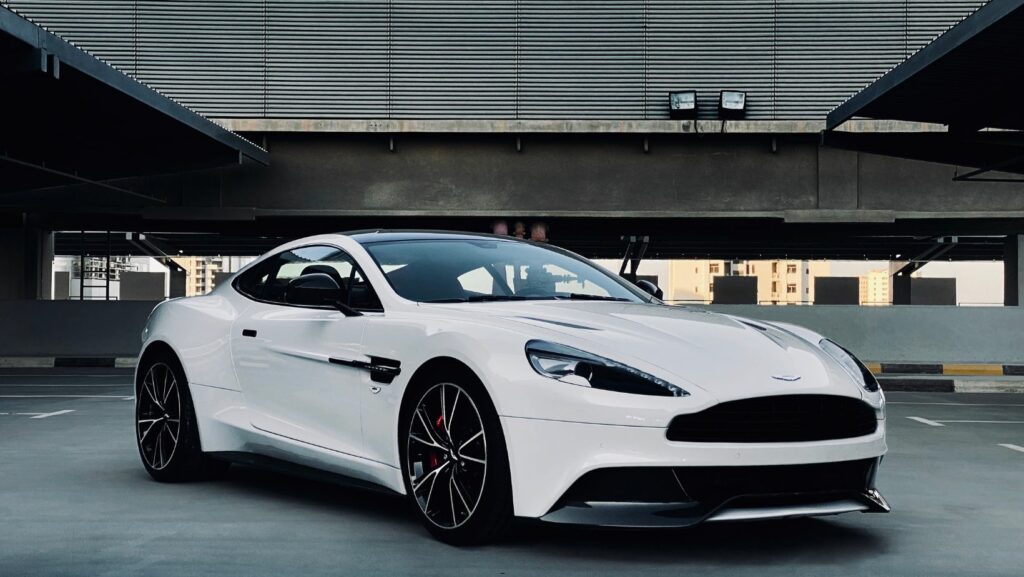
For decades, car ownership followed a familiar formula. You chose a model, signed the paperwork, and gradually made the vehicle your own over several years of driving. Ownership meant permanence, mechanical familiarity, and a sense of long-term identity tied to a physical object.
That relationship is beginning to change.
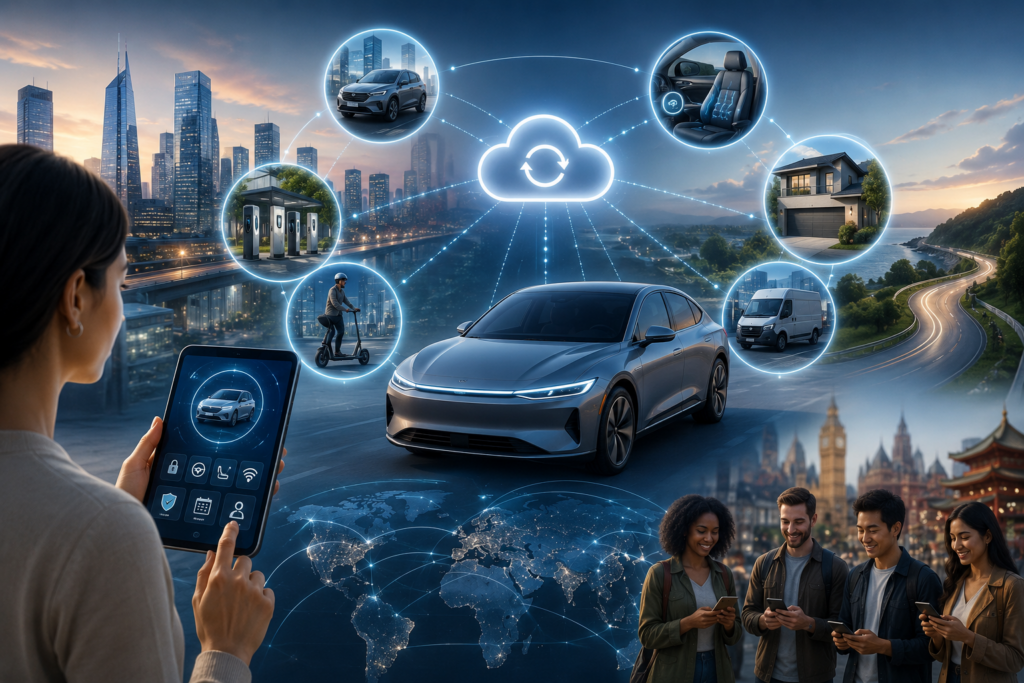
Across the automotive industry, software, connectivity, and digital services are reshaping what motorists actually “own” when they buy a car. Features can now be activated remotely, driving experiences updated over the air, and mobility accessed through flexible monthly plans rather than traditional financing. In many ways, the future of motoring is starting to resemble the subscription economy that already defines entertainment, technology, and even housing.
The shift is subtle for now, but its long-term implications could fundamentally alter how drivers think about vehicles altogether.
Cars Are Becoming Software Platforms
Modern vehicles already function more like connected devices than purely mechanical machines. Infotainment systems receive updates remotely, navigation tools rely on cloud-based services, and driver assistance systems continuously evolve through software improvements.
Manufacturers increasingly view vehicles as platforms rather than finished products. Instead of delivering a fixed set of features on the day of purchase, many brands now treat functionality as something expandable over time.
This has led to the rise of software-enabled upgrades. Heated seats, enhanced performance modes, adaptive lighting systems, and advanced driver assistance features can now be activated digitally after the vehicle leaves the factory. Some premium manufacturers have experimented with monthly subscriptions for convenience features that were previously considered standard ownership items.
To some drivers, this feels innovative and flexible. To others, it raises uncomfortable questions about whether ownership is becoming conditional.
The debate reflects a broader transition taking place across consumer technology. Increasingly, products are no longer static possessions but evolving services tied to ongoing digital ecosystems.
Flexibility Is Becoming More Valuable Than Permanence
The popularity of subscription-based services in other industries has influenced expectations around transport as well. Streaming replaced physical media because consumers valued convenience and access over permanent ownership. Similar attitudes are beginning to appear in automotive behaviour.
Younger urban motorists in particular are often less attached to the traditional idea of owning one vehicle for a decade or more. Rising insurance costs, changing commuting patterns, and increasing environmental awareness have encouraged more flexible attitudes toward mobility.
As a result, car subscription services have expanded rapidly in major cities worldwide. These services typically bundle insurance, maintenance, roadside assistance, and tax into a single monthly payment while allowing drivers to swap vehicles periodically.
For some motorists, the appeal lies in simplicity. For others, it is the ability to adapt their vehicle choice around changing lifestyles. A compact electric hatchback during the week and a larger SUV for holiday travel becomes a realistic possibility under subscription-style access models.
This represents a cultural shift as much as a financial one. Cars are increasingly being viewed less as permanent possessions and more as temporary lifestyle tools.
EVs Are Accelerating the Change
Electric vehicles have intensified this transformation because they are inherently more software-dependent than traditional combustion cars.
Battery management, charging optimisation, regenerative braking systems, and energy efficiency all rely heavily on software integration. Manufacturers can meaningfully alter vehicle performance through updates alone, something far less common in previous generations of motoring.
Tesla helped establish public awareness of this concept through regular over-the-air updates that introduced new features, interface redesigns, and performance adjustments long after purchase. Other manufacturers have since followed with their own connected ecosystems.
The EV market has also created new attitudes toward vehicle lifespan. Because battery technology evolves quickly, some consumers hesitate to commit to long-term ownership in the same way previous generations did with petrol or diesel vehicles. Subscription access or shorter-term leasing can feel more practical in a rapidly changing technological environment.
At the same time, the rise of connected EV infrastructure means the vehicle experience increasingly extends beyond the car itself. Charging networks, smartphone apps, route planning software, and digital payment systems all form part of a broader mobility ecosystem.
Ownership becomes less about the metal parked outside and more about access to integrated services.
Personalisation Is Moving From Hardware to Software
Car culture has traditionally revolved around physical modification. Alloy wheels, body kits, suspension setups, and interior alterations allowed owners to express identity through their vehicles.
That culture is evolving rather than disappearing.
Today, digital customisation is becoming just as important as mechanical modification. Drivers can personalise dashboard layouts, ambient lighting profiles, sound environments, interface themes, and connected services through software settings alone.
Even the way cars are visually presented online has shifted. Social media has amplified the importance of aesthetic identity, encouraging motorists to curate highly personalised automotive experiences that extend into digital spaces.
Physical identity still matters, however. Registration plates remain one of the few highly visible and legally recognised forms of vehicle individuality available to drivers in the UK. As interest in vehicle personalisation continues to grow, companies such as Plates Express reflect the ongoing demand for subtle ways motorists can distinguish their vehicles without dramatically altering them.
That balance between digital flexibility and physical identity may define the next phase of automotive culture.
Ownership May Become Layered
The future of car ownership is unlikely to move entirely toward subscriptions, nor will traditional ownership disappear overnight. Instead, the industry may settle into a layered system where different types of access coexist.
Some drivers will continue purchasing vehicles outright and keeping them long-term. Others will favour leasing, flexible subscriptions, or shared mobility access depending on location and lifestyle.
Manufacturers appear increasingly prepared for this mixed future. Many are investing simultaneously in connected services, mobility platforms, software ecosystems, and conventional retail sales.
What matters is that the meaning of ownership itself is becoming more fluid.
Historically, owning a car meant complete control over a physical object. In the future, ownership may instead involve access rights, software permissions, evolving digital features, and participation within broader mobility networks.
That does not necessarily diminish the emotional connection people have with cars. Enthusiasm, identity, and personal attachment remain deeply embedded within automotive culture. But the framework surrounding those relationships is clearly changing.
Conclusion
The automotive industry is entering a period where software increasingly shapes the driving experience as much as engineering does. Connected services, flexible access models, and evolving consumer expectations are pushing car ownership toward something that resembles an ongoing subscription relationship rather than a single transaction.
For some motorists, that future offers convenience and adaptability. For others, it challenges long-standing ideas about independence and permanence behind the wheel.
Either way, the direction of travel appears clear. Cars are no longer simply products people buy. They are becoming services people continually interact with — updated, personalised, and connected long after they leave the showroom.