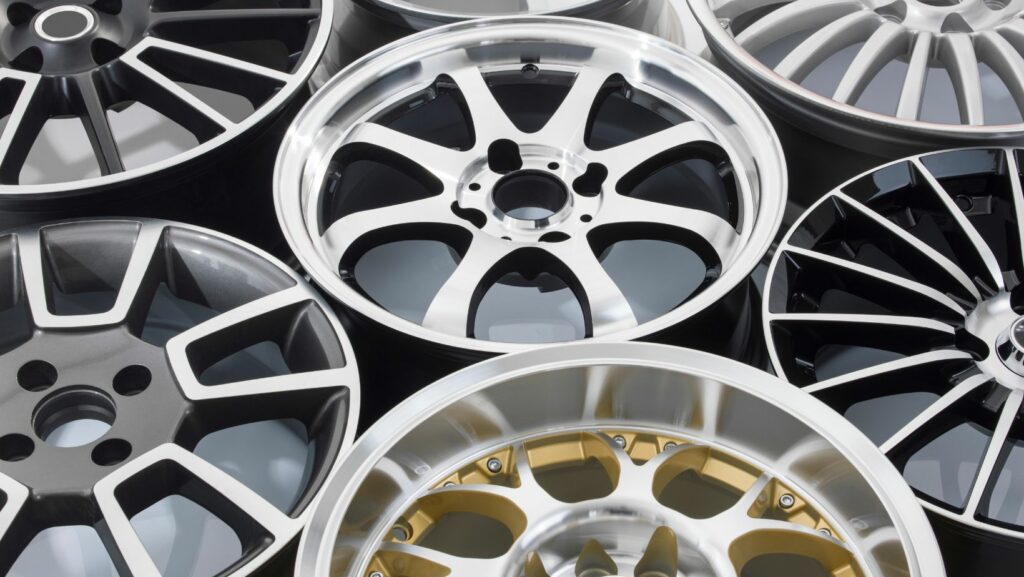
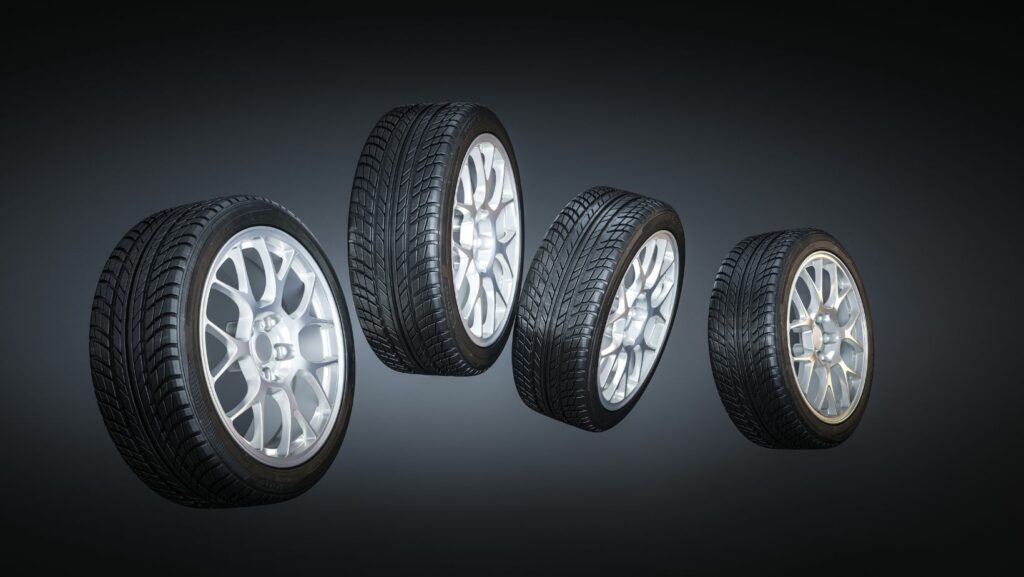
Tire changing is a necessary, but often delicate process that requires skill, precision, and the right equipment to avoid damage to the tires or rims. The evolution of tire changers has led to machines that reduce the risk of damage while ensuring a smoother, more efficient operation. A reliable tire changer plays a crucial role in this process by providing the necessary features to minimize both tire and rim wear, allowing for a safer and more cost-effective service.
Over time, tire changers have become more advanced, incorporating features designed to safeguard against issues such as tire bead damage, rim scratching, and misalignment. These issues, if left unaddressed, can lead to costly repairs or even early tire replacement. In this article, we will explore how modern tire changers are designed to reduce damage to both rims and tires, enhancing the overall tire changing experience.
The Importance of Protecting Tires and Rims
When changing a tire, several factors can lead to damage, especially if done improperly. Rims, in particular, are prone to scratching or bending, especially if the tire changer uses harsh methods or outdated machinery. On the other hand, the tire itself can experience bead damage or distortion, affecting the vehicle’s ride quality and safety. Protecting both rims and tires during the tire-changing process ensures that the vehicle performs optimally, and it also saves customers from additional costs for replacement parts or services.
A reliable tire changer is designed to address these issues. The machine’s design, pressure control, and automation functions all work in tandem to reduce the risks associated with tire installation. These machines can handle tires of all sizes and materials while maintaining a high level of precision and control to preserve the integrity of both the tire and rim.
Features of Advanced Tire Changers
1. Automatic Bead Breakers
One of the most common sources of tire and rim damage is improper bead breaking. Bead breaking refers to the process of separating the tire bead (the inner edge of the tire) from the rim so that the tire can be removed. Traditionally, this was done manually with hand tools, which could easily lead to damage if not executed with care.
Modern reliable tire changers now feature automatic bead breakers. These tools apply uniform pressure to separate the tire bead without causing undue force on the tire or rim. The even pressure distribution minimizes the risk of breaking the tire bead incorrectly, which could cause irreparable damage to the tire’s structure. Additionally, automatic bead breakers have adjustable pressure settings to handle different tire types and sizes, offering greater control over the entire process.
2. Rim Protectors
A major concern for both tire technicians and car owners is the risk of damaging the rims, which are often made from expensive materials such as aluminum or chrome. Rim damage can occur when the tire is being removed or installed, particularly if the machine’s tools come into contact with the rim’s surface.
To address this issue, reliable tire changers are equipped with specialized rim protectors. These rubber or plastic attachments prevent the tire changer’s equipment from making direct contact with the rim, thus avoiding scratches, dents, and other forms of damage. Some machines feature adjustable rim protectors that ensure a snug fit, further reducing the potential for mishaps. Additionally, some rim protectors are designed to work with high-performance rims, which tend to be more susceptible to damage.
3. Advanced Inflation Systems
Another area where tire changers have advanced is in their inflation systems. Proper inflation is critical for both tire performance and longevity, and any issues during this phase can cause damage to the tire. Traditional tire changers often required manual inflation and did not have the precision needed for modern tires.
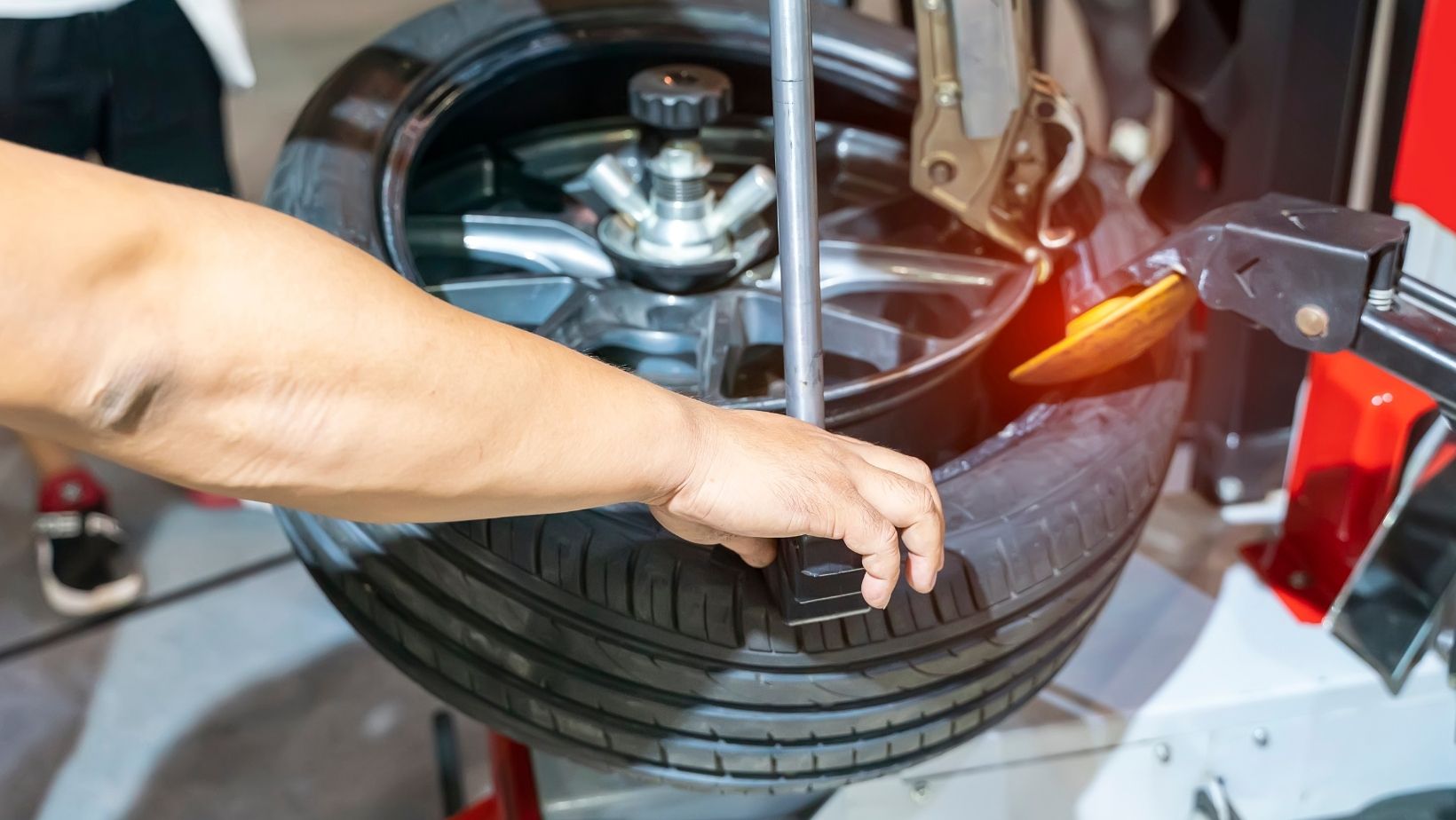
With advanced, reliable tire changer inflation systems are automated and calibrated to inflate tires to their precise specifications, ensuring that the tire is not over- or under-inflated. This helps prevent issues such as excessive wear on the tire’s tread or poor sealing, which can lead to a loss of air pressure over time. Furthermore, the system monitors the inflation process, allowing technicians to focus on other aspects of the tire change while ensuring that the tire receives the correct air pressure without the risk of errors or damage.
4. Touchless Technology
For the most advanced tire changers, touchless technology is one of the standout features that has significantly reduced the risk of rim and tire damage. Traditional tire changers used mechanical arms to pry the tire off the rim, which could result in scratches, pinches, or misalignment. This method is often inefficient and risky, especially with modern low-profile or run-flat tires, which are more fragile and require delicate handling.
Touchless tire changers use a series of strategically placed rollers and inflatable arms to carefully separate the tire from the rim without any direct contact. This system reduces the physical stress exerted on the tire and rim, preventing accidental scratches or dents. The touchless technology also ensures that the tire bead remains intact, reducing the risk of damaging the tire’s structure during installation or removal.
5. Integrated Sensors and Diagnostics
Some reliable tire changers come equipped with integrated sensors and diagnostic tools that further minimize damage risks. These sensors monitor various parameters such as tire pressure, rim alignment, and bead seating during the tire changing process. If any irregularities are detected, the system alerts the technician, allowing them to make necessary adjustments before proceeding.
For instance, sensors can detect if the tire is not properly seated on the rim, which could cause uneven wear or poor performance. The ability to instantly identify and correct these issues ensures a more efficient and safer tire change, reducing the likelihood of post-service complications for the customer.
The Impact of Technology on Tire Changing Efficiency
The advancements in tire changers have significantly reduced the time and labor required for each tire change. In addition to minimizing the risks of damage, these machines also contribute to more efficient operations in high-volume tire shops. Automated and semi-automated features reduce the amount of physical labor involved in tire changing, freeing up technicians to focus on other aspects of vehicle maintenance and repair.
By speeding up the tire changing process while also reducing the risk of damage, tire shops can offer faster, more reliable services, which enhances customer satisfaction. Furthermore, minimizing damage to rims and tires ensures that the overall cost of tire services is reduced, benefiting both the business and the customer.
Conclusion
Modern tire changers have come a long way in terms of technology and precision, and their impact on reducing damage to rims and tires is significant. A reliable tire changer ensures that both tires and rims are handled with care, using advanced features such as automatic bead breakers, rim protectors, touchless technology, and inflation systems. These innovations have not only improved the efficiency of tire changing but also helped preserve the integrity of valuable tires and rims, preventing costly repairs and replacements.
As tire changers continue to evolve, technicians and car owners alike can expect even more precise, reliable, and cost-effective solutions for tire maintenance. By investing in high-quality tire changers, businesses can improve the quality of service, while drivers can rest easy knowing their vehicle’s tires and rims are in good hands.